
 By Olivia Wilson Media Team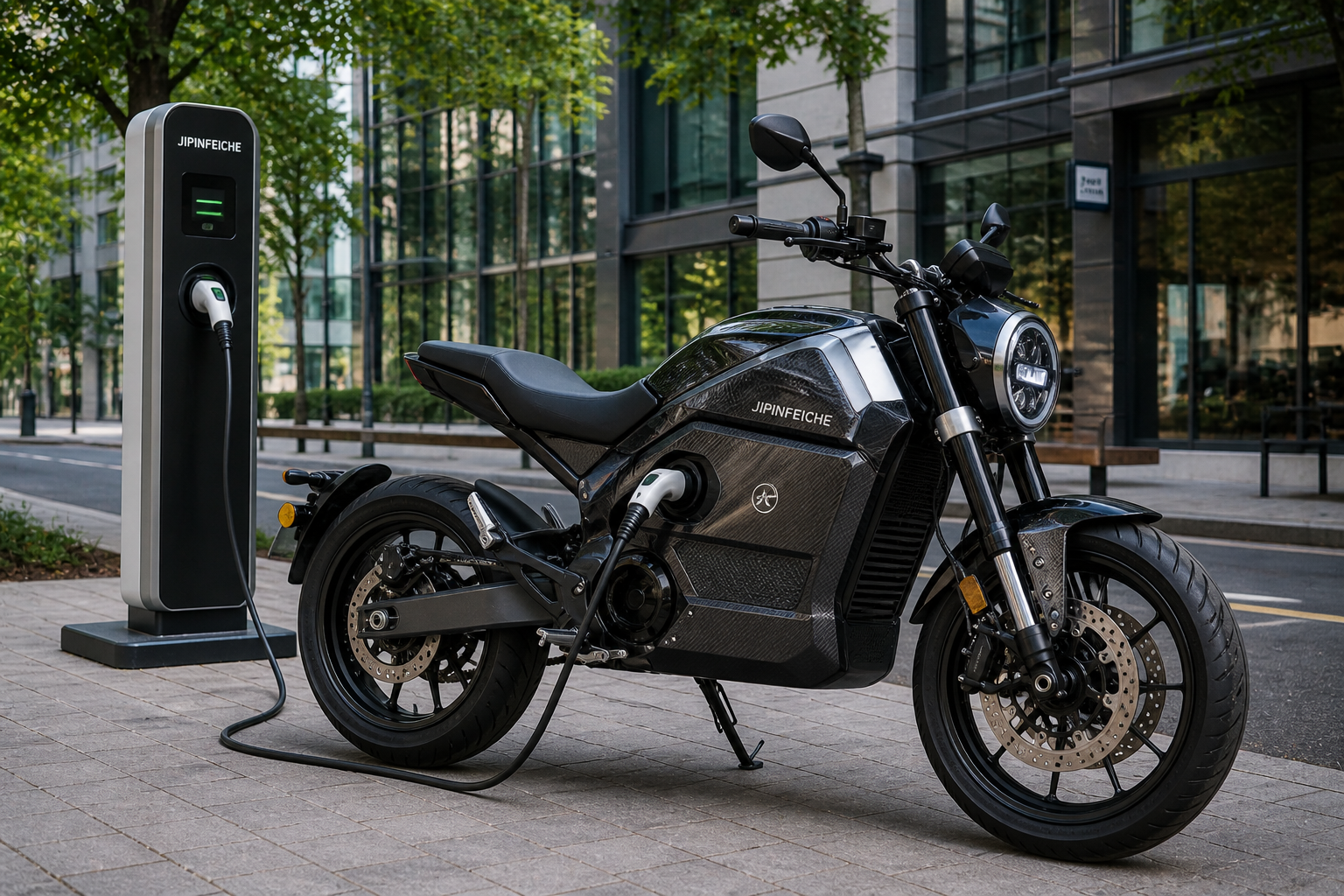
The world of electric transportation has evolved dramatically over the past few years, and jipinfeiche has emerged as an interesting topic for those exploring sustainable mobility solutions. Whether you’re considering switching from traditional gas-powered vehicles or simply curious about what jipinfeiche offers, understanding this concept thoroughly will help you make informed decisions about your transportation needs.
Electric motorcycles and bikes represent more than just a trend. They symbolize a shift toward cleaner, more efficient personal transportation that aligns with environmental goals while offering practical benefits for daily commuters and recreational riders alike.
Jipinfeiche refers to a category of electric-powered two-wheeled vehicles that have gained popularity in various markets around the world. The term encompasses different types of electric motorcycles and scooters designed for various purposes, from daily commuting to recreational riding. These vehicles combine traditional motorcycle design principles with modern electric propulsion systems, creating an entirely new riding experience.
The concept behind jipinfeiche centers on providing riders with an environmentally friendly alternative that doesn’t sacrifice performance or convenience. Unlike conventional motorcycles that rely on internal combustion engines, these electric vehicles use battery-powered motors that produce zero direct emissions. This fundamental difference affects everything from maintenance requirements to operating costs, making them increasingly attractive to riders in the USA, UK, Canada, and beyond.
What makes jipinfeiche particularly interesting is how it represents the convergence of technology and transportation. Modern electric motorcycles incorporate smart features, advanced battery management systems, and connectivity options that traditional bikes simply cannot match. This integration of technology creates opportunities for enhanced safety features, performance monitoring, and even remote diagnostics.
When examining jipinfeiche vehicles, several standout features distinguish them from both traditional motorcycles and other electric alternatives. The electric motor provides instant torque delivery, meaning acceleration feels immediate and responsive from the moment you twist the throttle. This characteristic creates a unique riding experience that many riders find exhilarating and surprisingly different from gas-powered bikes.
Battery technology represents the heart of any jipinfeiche vehicle. Most modern models use lithium-ion battery packs designed to balance range, weight, and charging speed. These batteries typically offer ranges between 40 to 100 miles on a single charge, depending on the model and riding conditions. The charging infrastructure has improved significantly, with many riders able to charge at home using standard outlets or opt for faster charging stations in public areas.
The maintenance profile of jipinfeiche motorcycles differs substantially from traditional bikes. Without oil changes, spark plugs, air filters, or complex exhaust systems to maintain, electric motorcycles require significantly less routine servicing. The main maintenance items typically include brake systems, tires, and occasional software updates. This simplified maintenance schedule translates into lower long-term ownership costs and less time spent at service centers.
Selecting a jipinfeiche electric motorcycle comes with numerous advantages that extend beyond environmental considerations. The cost savings on fuel represent one of the most immediate and tangible benefits. Charging an electric motorcycle costs a fraction of filling a gas tank, with most riders spending just a few dollars to fully charge their batteries. Over months and years, these savings accumulate significantly, often offsetting the initial purchase price premium.
Noise pollution reduction stands as another major benefit. Electric motors operate almost silently compared to combustion engines, creating a more peaceful riding experience and reducing disturbance in residential areas. This quiet operation also allows riders to better hear their surroundings, potentially improving safety by making it easier to detect approaching vehicles or other hazards.
Performance characteristics of jipinfeiche vehicles appeal to riding enthusiasts as well. The instant torque delivery mentioned earlier provides thrilling acceleration that rivals or exceeds many gas-powered motorcycles in the same class. Additionally, the lower center of gravity created by placing batteries low in the frame often results in superior handling characteristics and stability during cornering.
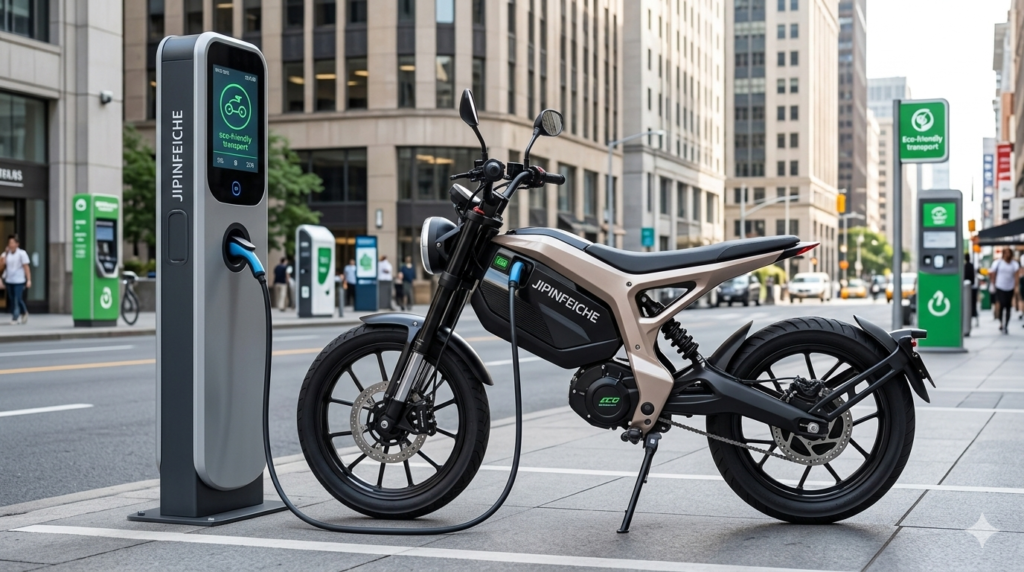
The jipinfeiche category includes various vehicle types designed for different riding purposes and preferences. Commuter-focused models prioritize range, comfort, and practical features like storage compartments and weather protection. These bikes typically feature upright seating positions, integrated luggage solutions, and technology features that help with daily urban navigation.
Sport-oriented jipinfeiche motorcycles emphasize performance, handling, and aggressive styling. These models often sacrifice some range for increased power output and lighter weight. They appeal to riders seeking an exciting, engaging riding experience with the added benefits of electric propulsion. Many sport models include multiple riding modes that adjust power delivery and regenerative braking characteristics.
Utility and cargo jipinfeiche vehicles represent a growing segment designed for commercial applications and practical hauling needs. These robust models feature reinforced frames, larger payload capacities, and sometimes three-wheel configurations for enhanced stability when carrying loads. Delivery services and urban businesses increasingly adopt these vehicles for last-mile logistics.
Purchasing a jipinfeiche electric motorcycle requires careful consideration of several factors that differ from traditional motorcycle buying decisions. Range requirements should top your list of priorities. Honestly assess your typical riding patterns, including daily commute distances and any regular longer trips. Choose a model with a real-world range that exceeds your normal needs by at least twenty percent to account for battery degradation over time and varying riding conditions.
Charging infrastructure availability in your area significantly impacts the practicality of jipinfeiche ownership. Research available charging stations along your regular routes and determine whether home charging will meet your needs. If you live in an apartment or lack dedicated parking, confirm access to charging facilities before committing to a purchase.
Budget considerations extend beyond the sticker price. While jipinfeiche motorcycles often cost more upfront than comparable gas models, factor in potential incentives, tax credits, lower operating costs, and reduced maintenance expenses. Many regions in the USA, UK, and Canada offer financial incentives for electric vehicle purchases that can substantially reduce the effective purchase price.
Daily operation of jipinfeiche motorcycles follows different patterns than traditional bikes. Developing good charging habits ensures battery longevity and convenience. Most experts recommend charging batteries to around eighty percent for daily use and only performing full charges when needed for longer trips. This practice reduces stress on battery cells and extends overall lifespan.
Regenerative braking systems on jipinfeiche vehicles require some adaptation for riders accustomed to traditional motorcycles. These systems convert kinetic energy back into stored electrical energy during deceleration, which can change the feel of slowing down. Most riders adapt quickly and appreciate the extended range that regenerative braking provides, along with reduced wear on conventional brake components.
Winter operation and cold weather present specific challenges for jipinfeiche motorcycles. Battery performance decreases in cold temperatures, sometimes reducing range by twenty to forty percent. Storing your vehicle in a heated garage when possible and pre-conditioning the battery while still plugged in can mitigate these effects. Many modern jipinfeiche models include battery heating systems that automatically maintain optimal operating temperatures.
Understanding how jipinfeiche vehicles perform across different scenarios helps set realistic expectations. Urban riding conditions typically represent the ideal use case for electric motorcycles. The stop-and-go nature of city traffic allows regenerative braking to recapture energy, and the lower average speeds maximize range. Additionally, the instant torque and compact dimensions make navigating congested streets efficient and enjoyable.
Highway riding presents different considerations for jipinfeiche motorcycles. Sustained high speeds drain batteries more quickly than varied-speed city riding, and regenerative braking opportunities decrease. However, many modern models offer sufficient range for reasonable highway trips, and the stable, smooth power delivery makes maintaining speed effortless.
Weather resistance varies among jipinfeiche models, with most offering adequate protection for light rain and typical conditions. However, the electrical components require proper sealing and protection. Always consult your specific model’s weather rating and avoid deep water crossings or pressure washing that could compromise electrical systems.
Innovation continues rapidly in the jipinfeiche space, with exciting developments on the horizon. Battery technology improvements promise increased energy density, meaning longer ranges without increased weight. Solid-state batteries, currently in development, could potentially double or triple range while reducing charging times significantly.
Charging infrastructure expansion across the USA, UK, and Canada continues accelerating, making jipinfeiche ownership increasingly practical. Fast-charging networks specifically designed for electric motorcycles are emerging in major cities and along popular riding routes. Some companies are even developing battery-swapping systems that could eliminate charging wait times entirely.
Smart features and connectivity represent another frontier for jipinfeiche evolution. Future models will likely integrate more advanced rider assistance systems, over-the-air updates, predictive maintenance alerts, and seamless smartphone integration. Some manufacturers are exploring vehicle-to-grid technology that would allow jipinfeiche batteries to supply power back to the electrical grid during peak demand periods, potentially creating revenue streams for owners.
Switching from traditional motorcycles to jipinfeiche electric models represents a significant change that requires mental and practical adjustment. Starting with realistic expectations helps ensure satisfaction. Electric motorcycles offer different but equally rewarding experiences compared to gas bikes. Embracing these differences rather than expecting an identical experience leads to greater enjoyment.
Test riding multiple jipinfeiche models before purchasing provides invaluable insights. The riding experience varies considerably between manufacturers and model types. What works perfectly for one rider might not suit another, so personal experience becomes crucial. Many dealers now offer extended test rides or even rental programs that allow potential buyers to experience ownership before committing.
Joining jipinfeiche communities and online forums connects you with experienced riders who can share practical advice, recommend accessories, and provide insights that only come from real-world ownership. These communities often organize group rides, maintain charging location databases, and offer troubleshooting help that supplements manufacturer support.
The broader implications of jipinfeiche adoption extend beyond individual riders to affect communities and environments. Reduced emissions from widespread electric motorcycle use contribute meaningfully to improved urban air quality, particularly in dense cities where two-wheeled vehicles represent significant transportation percentages. This improvement benefits public health and reduces pollution-related healthcare costs.
Economic impacts include job creation in manufacturing, battery production, charging infrastructure installation, and specialized service sectors. As jipinfeiche adoption grows, entirely new industries emerge while traditional sectors adapt and evolve. This transition creates opportunities for workers to develop new skills and expertise in emerging technologies.
Energy grid considerations become relevant as jipinfeiche numbers increase. Strategic charging during off-peak hours helps balance electrical demand and reduces strain on generation capacity. Smart charging systems that automatically schedule charging for optimal times are becoming standard features, helping integrate electric vehicles into existing infrastructure efficiently.
Charging times vary depending on battery size and charging method. Using a standard household outlet typically requires six to eight hours for a full charge, while dedicated Level 2 charging stations can complete charging in two to four hours. Fast-charging options available on some models can reach eighty percent capacity in under an hour, making quick stops practical for extending range during longer rides.
Most jipinfeiche batteries are designed to retain at least seventy to eighty percent of their original capacity after 500 to 1000 full charge cycles, which typically translates to five to ten years of normal use. Actual lifespan depends heavily on charging habits, operating temperatures, and usage patterns. Many manufacturers offer substantial warranties covering battery performance degradation beyond specified thresholds.
Yes, most jipinfeiche electric motorcycles are designed with weather-resistant electrical components and can safely operate in rain and wet conditions. However, riders should avoid deep water puddles, power washing, or submersion, as these can potentially damage electrical systems. Always consult your specific model’s water resistance rating and follow manufacturer guidelines for wet weather operation.
Many regions in the USA, UK, and Canada offer various incentives for electric vehicle purchases, including tax credits, rebates, reduced registration fees, and access to HOV lanes. These incentives vary by location and change periodically, so researching current programs in your specific area is essential. Some utility companies also offer special electricity rates or rebates for electric vehicle owners.
Jipinfeiche electric motorcycles offer instant torque delivery that often results in quicker acceleration than comparable gas motorcycles, particularly from stops and at lower speeds. Top speed is sometimes lower on electric models, though many sport-oriented jipinfeiche bikes match or exceed traditional motorcycles in this regard. Range represents the primary limitation compared to gas bikes, though improving battery technology continues closing this gap.
The jipinfeiche electric motorcycle revolution represents far more than a simple vehicle category. It embodies a fundamental shift in how we approach personal transportation, balancing environmental responsibility with practical benefits and genuine riding enjoyment. Whether you’re motivated by cost savings, environmental concerns, or simply the appeal of cutting-edge technology, jipinfeiche offers compelling advantages that continue improving as the industry matures.
Making the transition to a jipinfeiche electric motorcycle requires research, realistic expectations, and willingness to adapt to new riding patterns. However, the rewards including lower operating costs, reduced environmental impact, and a unique riding experience make this transition worthwhile for many riders across the USA, UK, Canada, and beyond. As charging infrastructure expands and battery technology improves, the practical advantages of jipinfeiche ownership will only strengthen, making now an exciting time to explore this innovative transportation option.